Backsplash Pairing for a Jackson Countertop: Match or Contrast?
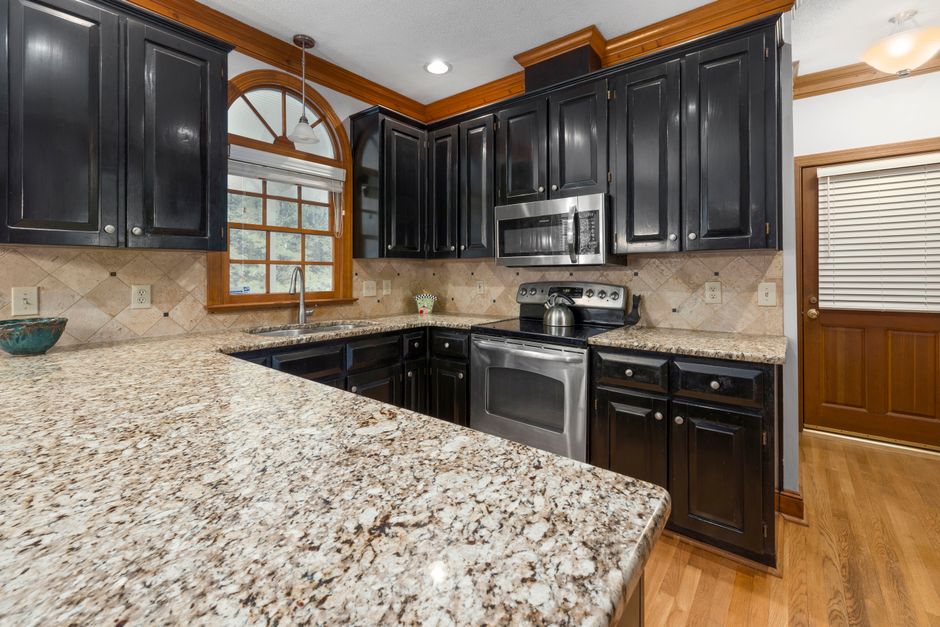
A backsplash can either match the countertop or contrast with it, and both work in a Jackson kitchen when two things stay balanced: the undertones and the amount of pattern. The mistakes come from a warm stone beside a cold tile, or a busy stone beside a busy tile. Color choice matters less than those two checks.
Count the Busy Surfaces First
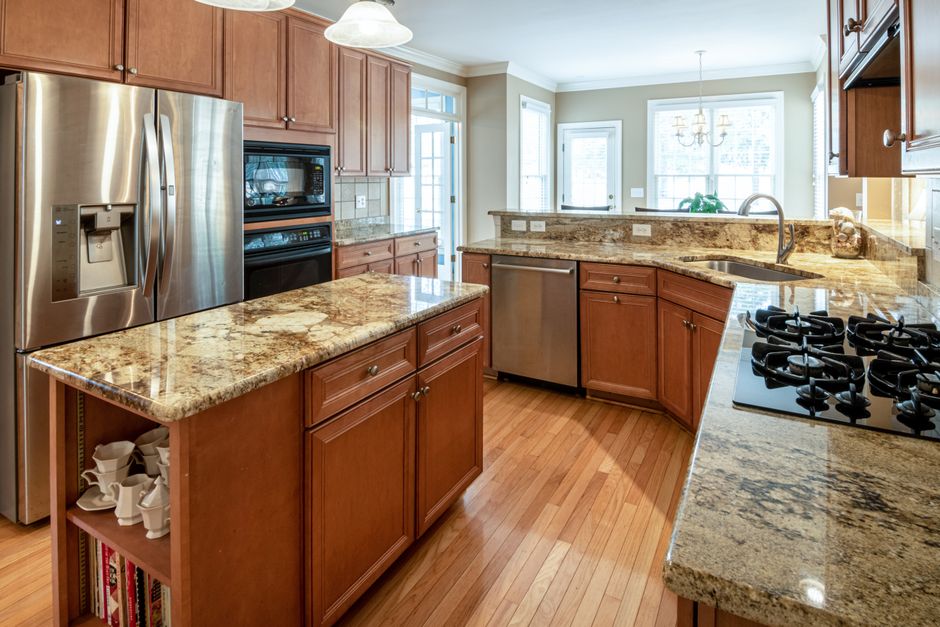
Think of the kitchen as having room for one busy surface. A heavily veined or speckled granite already supplies the visual action, so it usually pairs best with a plain or subtly textured backsplash. A quiet, solid-color quartz or solid surface top leaves room for a patterned, colored, or handmade tile to take the lead.
Two loud surfaces side by side compete, and the eye has nowhere to rest. If the counter is the star, let the backsplash be the supporting cast. If you fall in love with a dramatic tile, choose a calmer countertop to go with it.
Choose the Countertop First
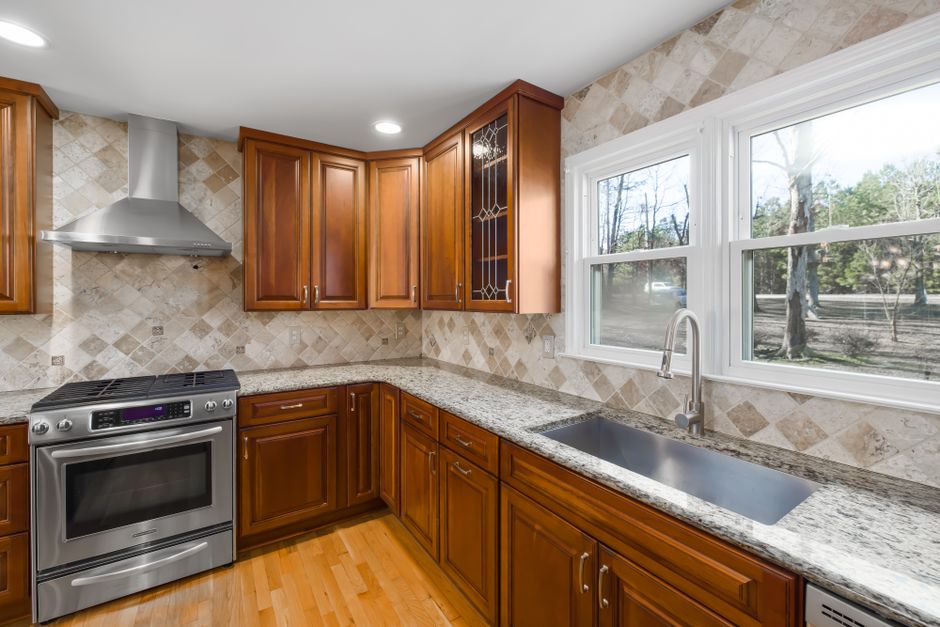
Counter slabs vary from lot to lot, while tile is easier to source and easier to change later. That makes the countertop the anchor and the backsplash the second decision. Bring your actual slab sample, or a photo of the slab itself, when you shop for tile. A showroom chip is a poor stand-in for a full slab with its own movement and flecks.
The same logic applies to timing. The finished counter height and edge shape affect tile layout, and tile color is easier to confirm against the installed top. Template and install the countertop before buying or setting tile.
Undertones Decide Whether a Pairing Looks Right
Contrast in color is fine. Contrast in undertone is what looks like a mistake. A warm stone with cream, gold, or brown flecks clashes with stark blue-white tile. A cool gray or white top clashes with a yellowed cream. Hold the samples side by side and look at the background color of the stone, not only the veining across it.
Borrow a Minor Color
A reliable way to get contrast that looks intentional is to pull a secondary vein or fleck color from the countertop and find a tile that picks it up. Matching the dominant color of the stone often reads flat. Echoing a quieter color in it reads designed.
Test Samples in Your Own Kitchen
Jackson gets strong afternoon sun, and west-facing windows can push a white toward yellow. Warm LED bulbs in the evening can shift grays toward blue. A pairing that looks perfect under showroom lights can look mismatched at home.
Set the samples on the counter and check them in the morning, at midday, and under your usual evening lighting. Live with them for a day or two before ordering anything.
When Matching Is the Right Call
A backsplash cut from the same material as the counter gives the most continuous look. It works best when the slab comes from the same lot and is book-matched or vein-matched at the fabricator. Ask to see the layout on the actual slab before anything is cut.
Know What a Slab Backsplash Demands
Full-height slab needs flat, plumb walls. Many older homes in Belhaven and Fondren have plaster walls that are wavy or out of plumb, and a rigid slab will show gaps that tile can often hide. Have the walls checked with a long straightedge before committing.
Outlets also need planning. Each one requires a precise cutout in the slab, usually with box extenders so the covers sit flush. Moving an outlet after the slab is set is difficult, so settle outlet and switch locations first.
A slab backsplash is not exempt from caulk, either. The joints still need flexible sealant.
The Short Splash Compromise
A splash of countertop material a few inches high with tile above is common. It protects the wettest zone with the counter material, but it adds a horizontal line. On a busy stone, that line can look choppy. Go either short and plain or full height, rather than mixing a busy stone with a busy tile above it.
When Contrast Is the Right Call
Contrast works best when the countertop is calm. A solid quartz, solid surface such as Corian or Avonite, or a plain dark granite gives a colored, patterned, or handmade tile room to stand out. Glass tile reflects light and pairs well with dark or solid tops.
Glass has a catch: it is translucent. Uneven thinset or wall color can show through, and glass often reveals wall imperfections rather than hiding them. It needs a flat wall and an adhesive suited to glass, which is a real concern on older, uneven walls.
Use Sheen for Quiet Contrast
If you want difference without changing color, change the finish. A polished top with a polished tile can look busy and glary under cabinet lights. A polished counter with matte or honed tile, or the reverse, adds contrast while keeping the palette calm. Flamed or textured stone finishes are rougher and hold grease, so they suit low-splash areas better than the wall behind a range.
Grout Changes the Whole Pairing
Grout matched to the tile reads calm and lets the countertop lead. Contrasting grout traces the tile pattern and competes with a busy counter. Grout can also look different once cured, so check a cured sample, not a wet one.
Jackson Conditions That Affect the Pairing
Clay Soil and Flexible Joints
Jackson sits on expansive clay soils that shrink and swell with moisture, and foundations here commonly move seasonally. The joint where the backsplash meets the countertop, and the inside corners, should get a flexible sealant matched to the grout color, not rigid grout. Rigid grout in those joints tends to crack.
If you see recurring diagonal cracks in drywall above doors, or doors that stick, address the foundation question before installing a large rigid slab backsplash. Ongoing movement can crack long slab pieces and pop tiles.
Humidity and Grout Lines
Humid summers encourage mildew in grout lines, especially behind the sink. Choose a grout suited to wet areas, seal cement grout as the manufacturer directs, and run the vent hood while cooking. Mildew-resistant grout reduces staining, but it still needs cleaning.
Butcher Block
Butcher block expands and contracts with humidity swings. Keep the counter-to-backsplash joint flexible and sealed, because water sitting there will darken and rot the wood edge. Warm wood usually pairs best with simple tile in neutral or earthy tones.
Material Cautions Behind the Range
Engineered stone, such as Cambria and other quartz products, is a composite of stone and resin. That resin binder can discolor or scorch under high direct heat, so tile, natural stone, or metal is often the better choice directly behind a high-output range.
Natural stone backsplashes such as marble, travertine, and some granites are porous. Place a few drops of water on the stone and see whether it darkens within minutes. If it does, it needs a penetrating sealer and periodic resealing, especially behind the sink and range. Sealing needs vary by stone, so the water test beats a fixed schedule.
If engineered stone must be cut for backsplash pieces, it should be cut wet at the fabrication shop, never dry-cut inside the house. Engineered stone contains high levels of crystalline silica (silicon dioxide), and dry cutting releases dust linked to silicosis.
Finish the Decisions That Make It Look Done
Decide where the backsplash ends before ordering. Common stopping points are the underside of the upper cabinets, the edge of the counter, or a window casing. A backsplash that stops at random points looks unfinished regardless of color.
If the kitchen island has a contrasting top, base the backsplash choice on the perimeter countertop it actually touches, and let the cabinet color tie the room together.
Order extra tile, enough for cuts plus some spares, from the same production lot. Dye lots vary, and finding a match later for a repair is often impossible.
A Quick Way to Decide
- Busy, veined, or speckled counter: choose a plain or subtly textured backsplash, matched in undertone.
- Quiet, solid counter: a patterned, colored, or handmade tile is welcome.
- Older plaster walls: lean toward tile over a full-height rigid slab.
- Warm stone: stay in warm or neutral whites and creams.
- Cool stone: stay in cool whites and grays.
Whichever direction you pick, the final test is the same: samples on your actual counter, in your own light, before anything is ordered.