Why Do Countertops Crack or Seams Open in a Settling House
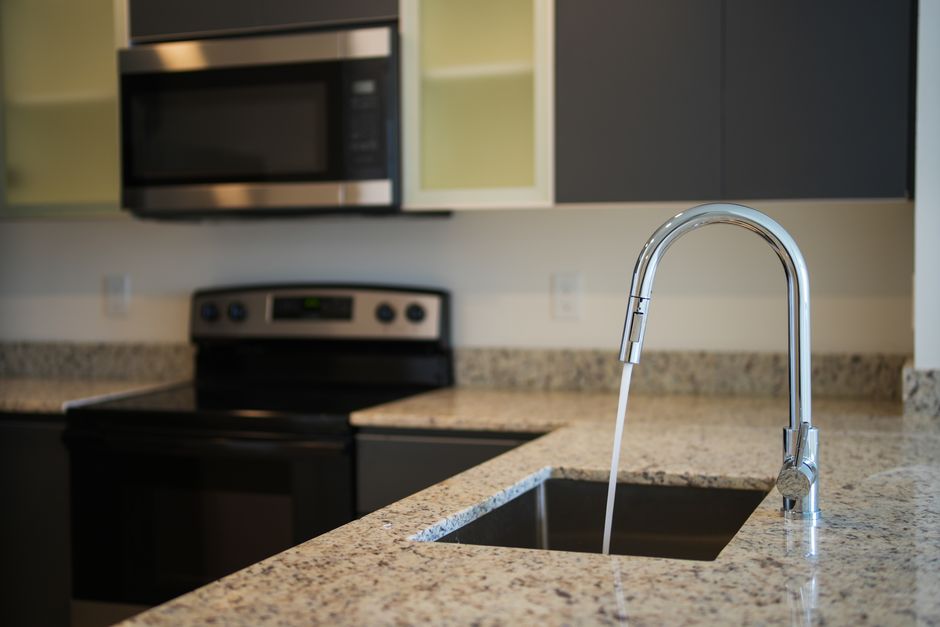
A hairline seam and a cracked sink strip can look like the same fault from across the kitchen, but one is a joint that let go and the other is stone that broke under load. The notes at countertops jackson icfem 2008 treat them the same way in one respect, where the checking starts with what sits under the countertop, in the way the settlement tracked in Jackson, MS compares with the way a tilted cabinet run does, and the clay around Hinds County is a common cause of both.
Why the ground moves here
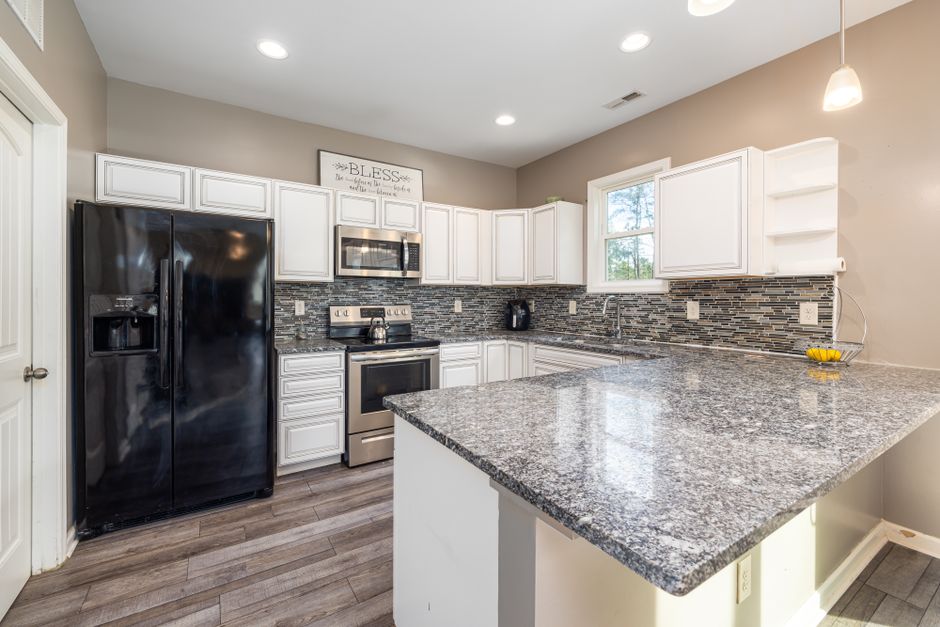
Expansive clay swells when it gets wet and shrinks when it dries. Around Jackson, MS, that cycle can move a foundation unevenly over the years, one corner rising or dropping a fraction while the rest stays put. Houses near the Pearl River and across Hinds County sit on this kind of soil often enough that tradespeople expect it.
What movement does to cabinets
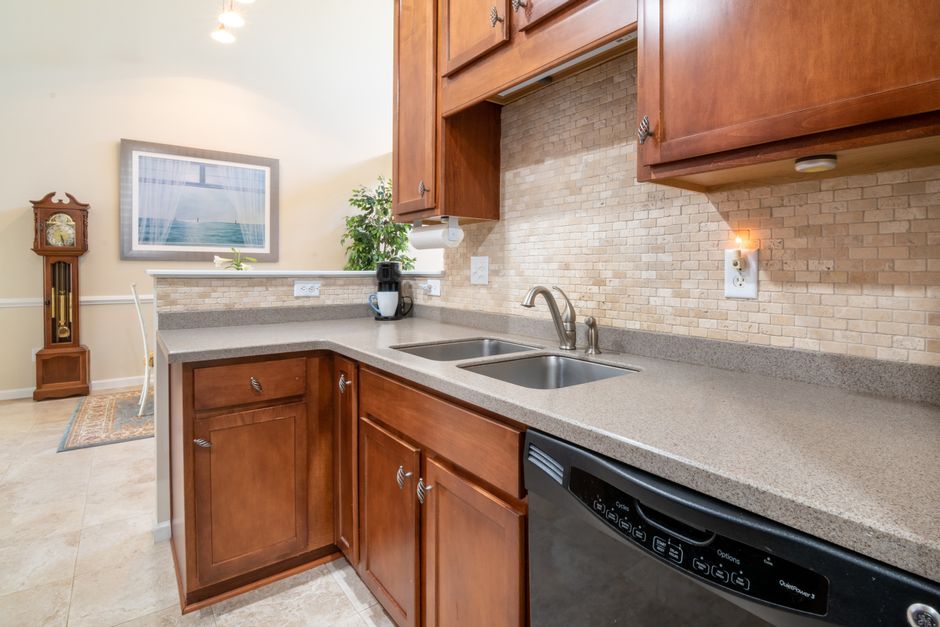
Cabinets are fastened to the floor and the walls. When the foundation shifts, a run goes out of level and can twist. The countertop sitting on that run twists with it, and the stone has nowhere to go.
Where rigid stone gives way
Granite, quartz, quartzite and marble do not flex. Stress from uneven support shows up at the seam, at cutouts and in narrow sections. The strips in front of and behind a sink or cooktop cutout are the usual crack points, because very little material carries the load there. A slab with a remnant piece joined in poorly placed seam placement fails sooner, since the joint lands where the span is weakest.
How installers prevent it
Good templating starts with a long level run along the cabinets. Shims go in before any stone is set, so the top is fully supported and not bridging a low spot. Seam placement is chosen away from the sink and cooktop cutouts where possible. An overhang with no support behind it adds leverage, so it is limited and braced.
Other signs and what to do about them
Sticking doors, new drywall cracks and gaps at trim often show up alongside an opening seam. Those together point toward movement, though a single crack does not prove foundation failure. A seam that opens can sometimes be cleaned and refilled, but it may reopen if the movement continues, so refilling is a patch and not a cure. Laminate, butcher block and solid surface tolerate small movement better than stone, yet they still show gaps at the wall or backsplash. Measure the gap, mark it with pencil and a date, and check again after a wet season and a dry one.