How Are Countertops Templated and Installed
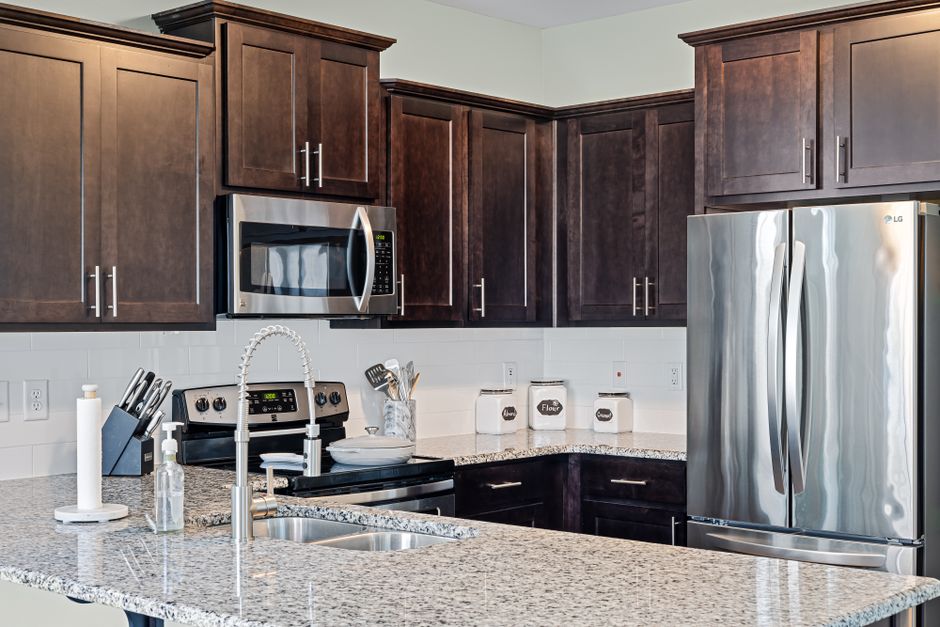
The shriek of a diamond blade running wet through granite is the sound at the middle of every countertop job around Jackson, MS. The steps below follow the order kept in the notes at countertops jackson icfem 2008, from the first template to the last faucet hole, and each one depends on the step before it.
Templating Comes First
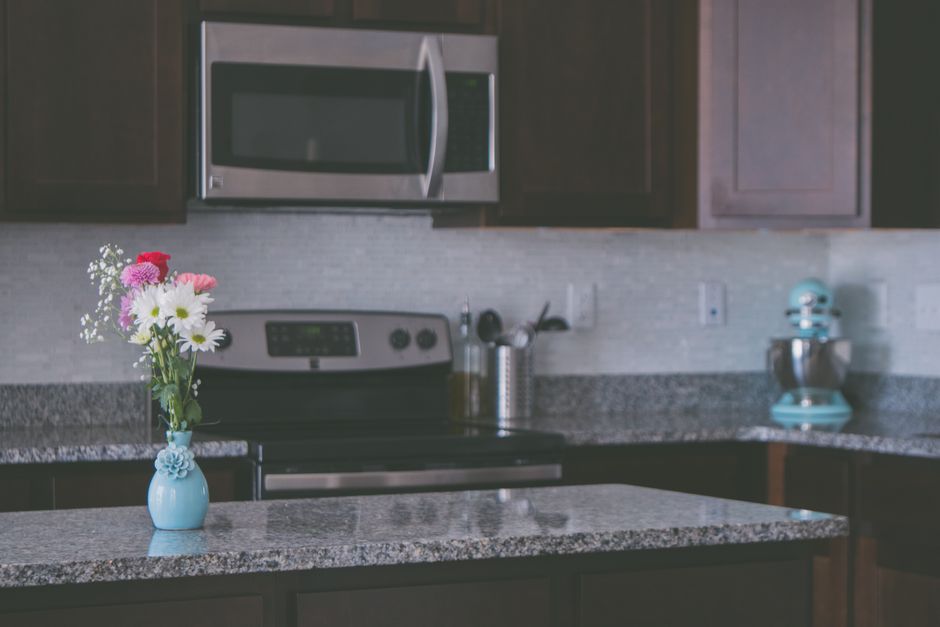
Templating captures the exact shape of the cabinets and walls. The tools are thin strips, sheet material or a digital measuring device. A countertop cannot be cut accurately from rough tape measurements alone. Walls in older houses in Hinds County are rarely straight, so the template records bows and out of square corners, and the fabricator follows the real room instead of the drawing.
Cutting in the Shop
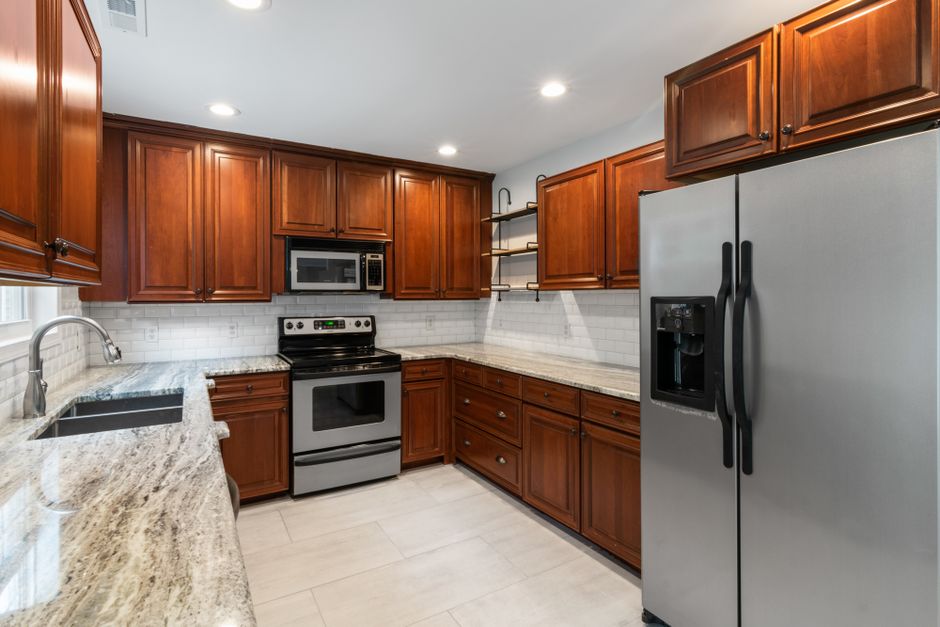
Granite, quartz and quartzite are fabricated in a shop with saws and routers. Water runs over the blade to keep it cool and to control dust, so the floor stays wet all day. The edge profile is shaped here, whether an eased edge, a bullnose or a waterfall edge. Sink cutouts are made here too, and faucet holes if they are called for on the template.
Seam Placement
Slabs come in limited lengths, so a long run or an L shaped kitchen will carry a seam. Seam placement is decided by slab size, the layout, and where the cabinets give solid support. A seam over a dishwasher gap or a sink cutout is asking for trouble. The two edges are joined with a color matched adhesive, typically epoxy or polyester, and pulled tight with seam setting tools. A well set seam is a thin, tight line. It is not invisible in every stone, and no stone runs seamless at any length.
Sinks and Overhangs
Undermount sinks are commonly held with clips anchored into the stone, plus a bead of adhesive or silicone around the rim. The stone carries the bowl, so the anchors need sound material around them. An overhang is a separate matter. Stone is strong in compression but weak when cantilevered, so a seating overhang beyond a modest depth needs steel brackets or corbels underneath. A marble or quartz island with a deep breakfast bar is the usual case.
Set Day
On set day the pieces are carried in, dry fitted on the cabinets, shimmed where the template showed a bow, then bonded down. Seams are glued and leveled first, before the main adhesive cures. If the faucet holes were not cut in the shop, they can be drilled on site with a diamond core bit. Last come the sink hookup, the caulk line at the backsplash, and a wipe down of adhesive haze. A remnant left over from the slab often ends up as a vanity top, cut from the same stone.